Key takeaways
Air conditioning in the south, heated seats in the north, national packages: a car's standard specification varies depending on the country of sale. What this means for imports and resale value.
Standard Equipment: Why the Same Car Doesn't Have the Same Features Across European Countries
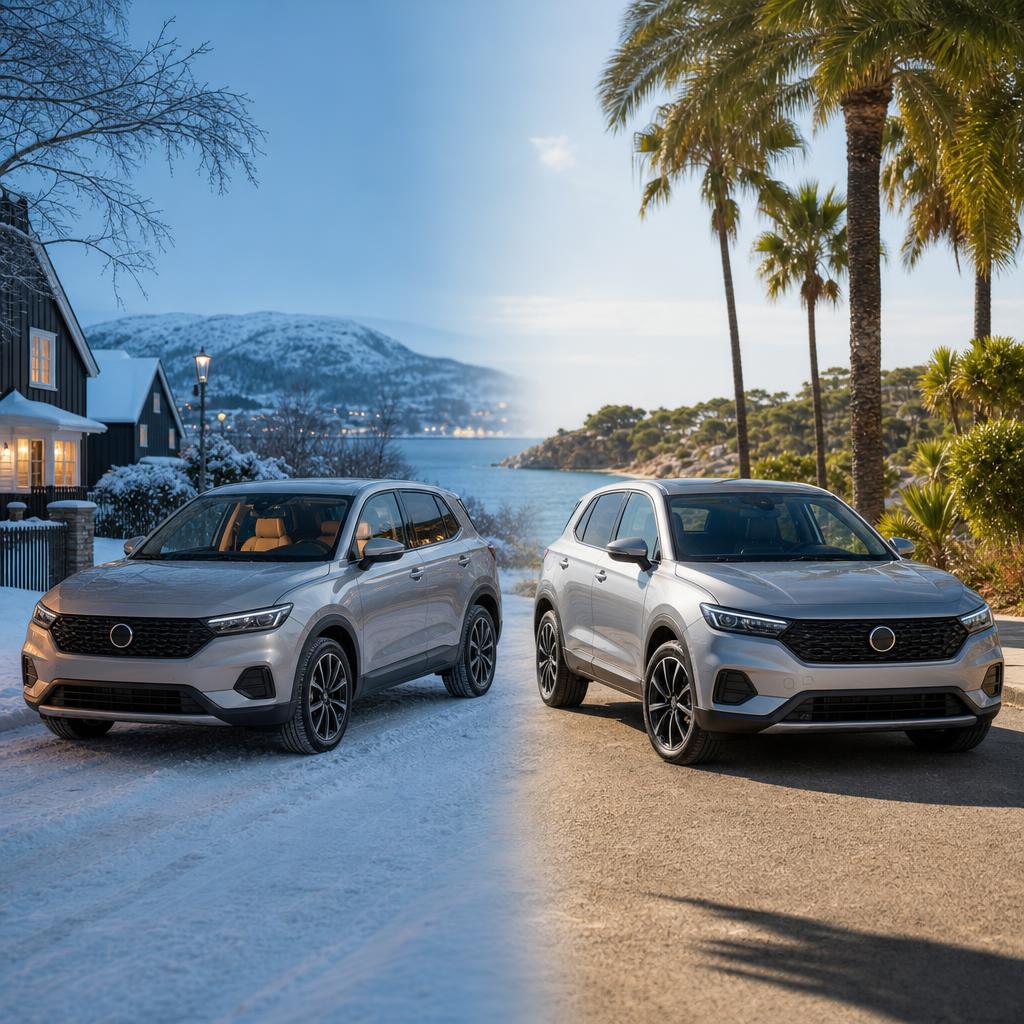
A Volkswagen Golf bought new in Stockholm is not quite the same car as a Golf bought in Madrid or Lyon. Same model, same engine, same model year… and yet, the standard equipment level sometimes differs completely. If you are importing a car from another European country — or comparing listings across Europe — understanding these differences can save you thousands of euros or prevent an unpleasant surprise when you resell it.
Why Do Manufacturers Adapt Equipment Levels by Country?
Manufacturers do not sell "a car", but rather a lineup tailored to each market. The standard equipment level (what is included in the displayed price without paid options) is adjusted country by country for several very concrete reasons.
Climate
This is the most visible factor. In Southern European countries, air conditioning has long been standard, including on small city cars, whereas it was optional for a long time on the exact same models sold in Northern Europe. Conversely, Nordic markets (Sweden, Norway, Finland) almost always include winter comfort features in the base equipment: heated seats, heated steering wheel, heated windshield, or even pre-wiring for an auxiliary engine heater.
Taxation and Penalties
Each country taxes automobiles differently: the eco-malus in France, weight-based taxes in Scandinavia, BPM in the Netherlands, variable VAT and registration fees… To stay below a tax threshold or hit a psychological price point, manufacturers reconfigure their lineups: a trim level might be stripped of features in one market to keep an attractive entry price, or conversely enhanced when local competition demands it.
Local Habits and Competition
Historically, German customers are willing to pay for technological equipment; French customers favor the apparent price-to-equipment ratio; Italian customers favor well-equipped small city cars for urban driving. As a result, option catalogs and trim contents are never identical from one country to another.
National Regulations
Certain features are mandated by local law rather than the manufacturer's whim: mandatory winter tires in certain zones, mandatory on-board fire extinguishers or vests, and historical technical limitations on lighting systems. These constraints impact the equipment delivered to the first owner.
Concrete Examples of Differences
Without claiming specific equipment levels model by model (they change with every model year), here are some well-documented trends in the European market:
| Equipment | Often standard in... | Often optional in... |
|---|---|---|
| Air conditioning | Southern countries (Spain, Italy, Southern France) | Older Nordic and Eastern European models |
| Heated seats | Scandinavia, Germany (high trim levels) | Mediterranean countries |
| Heated steering wheel | Northern Europe | Southern Europe |
| Winter pack (heated windshield, headlight washers) | Sweden, Norway, Finland | France, Italy, Spain |
| Tow bar / trailer pre-equipment | Germany, Netherlands, Scandinavia | Urban countries (Italy, Southern France) |
| GPS / integrated navigation | Premium markets (Germany, Switzerland) | Entry-level trim levels in France |
| Exclusive "national" trims | Certain markets have their own series (e.g., specific UK or Italian trims) | Unavailable elsewhere |
Another frequent phenomenon is national packs. A manufacturer groups different options under the same name depending on the country — a French "Comfort Pack" does not necessarily contain the same features as a German "Comfort Paket" on the same model. Likewise, certain trim levels are exclusive to a single market: special series created for one country simply have no equivalent in the French catalog.
What This Changes When You Import Into France
Intra-European used car importing (Germany, Belgium, Italy, the Netherlands, etc.) is a massive market. Differences in equipment levels play out in both directions:
- The good deal: a car coming from a market where equipment is generous (or where first buyers heavily check the options boxes) can offer a higher level of equipment for the same price. German vehicles, particularly in intermediate trim levels, are often rich in technological options.
- The reverse trap: a trim level bearing the same name as in France may have a leaner equipment package in its country of origin. An imported "Trendline" might lack features that the French version includes as standard. Conversely, certain foreign trim levels have no equivalent in the French lineup, complicating ad comparisons.
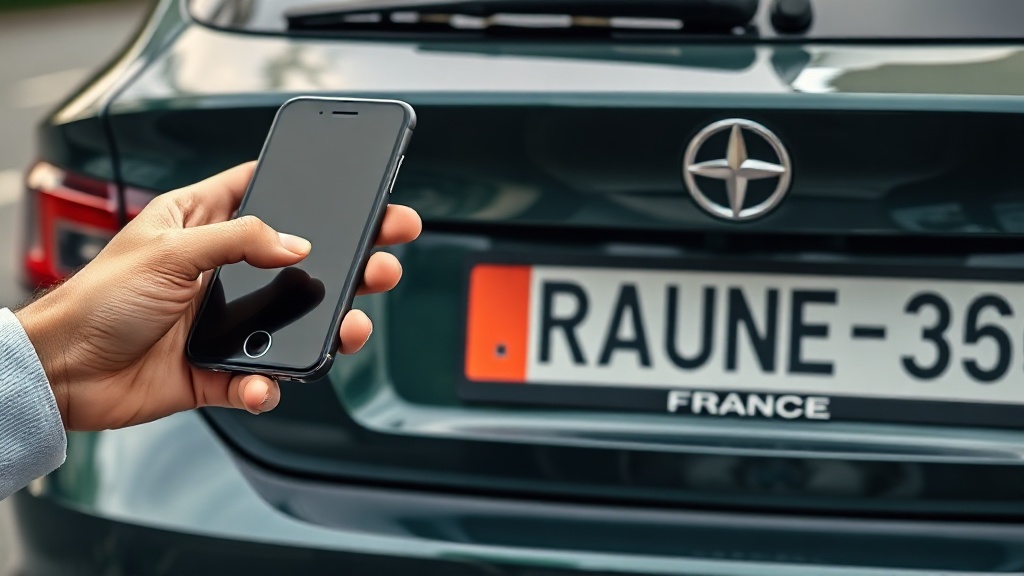
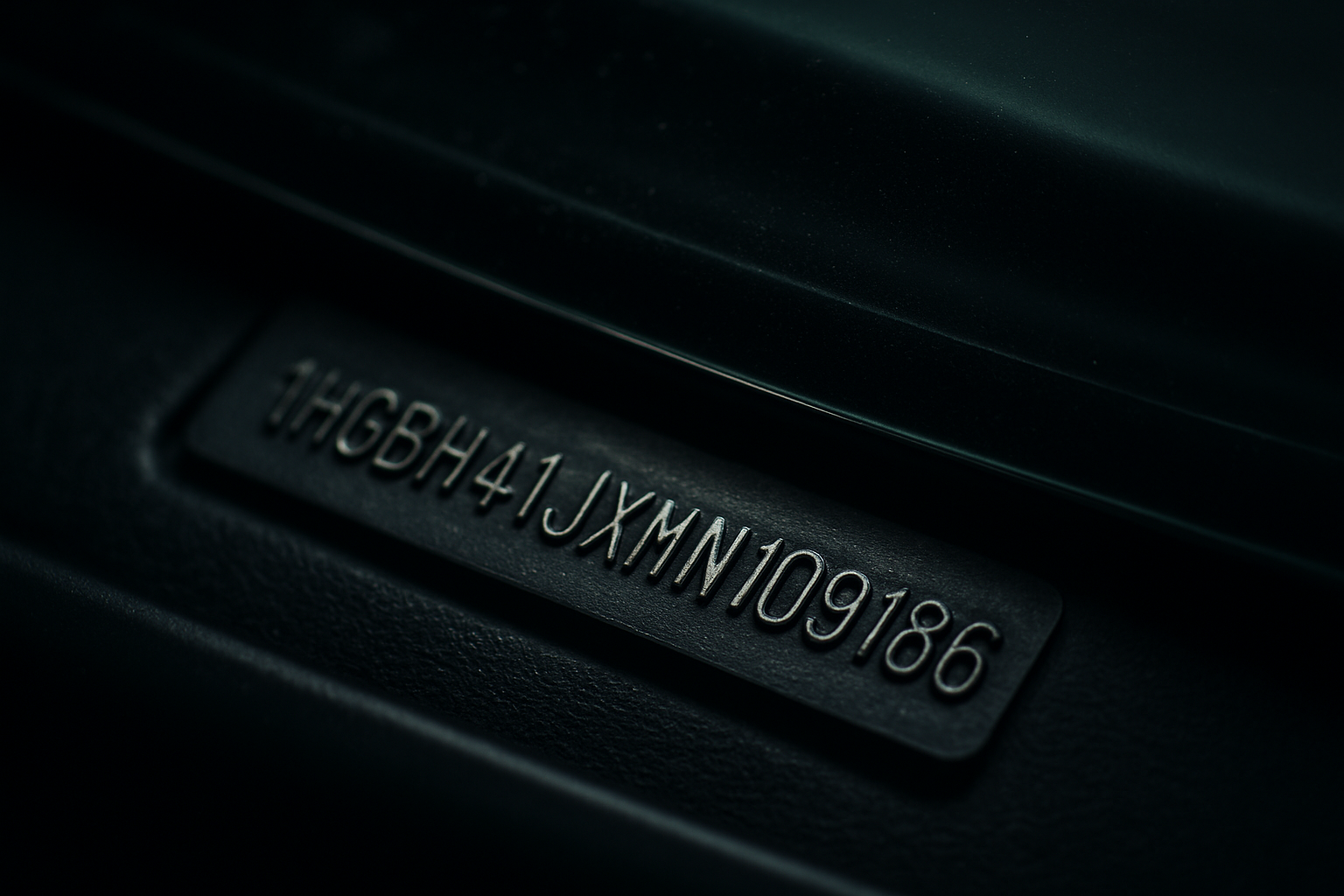
Two essential precautions before buying abroad: verify the options and actual trim level of the imported vehicle using its VIN or registration, and compare it with the equivalent French equipment level. If you are considering importing, our guide on the methods and procedures for importing a car into Europe details the entire process. And regardless of the country of origin, a comprehensive pre-purchase inspection remains your best protection.
Impact on Valuation and Resale
This is an often-underestimated point: the French used car market values the standard French equipment level. An imported car rich in options may resell for slightly more, but rarely in proportion to the new value of those options — the French buyer compares it to local listings. Conversely, an equipment level poorer than the French equivalent (no automatic climate control, no adaptive cruise control expected on that trim level) will hurt you hard at resale.
The accuracy of the declared trim level also matters: advertising a French trim level when the vehicle is actually a foreign variant can lead to disputes. That is why precise identification — finding the trim level using the registration number, reading section D.2 of the registration document, or decoding the VIN — is the first step in any transaction, import or not. Expectations also differ depending on the brands, with some playing the generous equipment card more than others.
Frequently Asked Questions
Is a German car better equipped than a French one?
Not systematically, but often: the German market values technological equipment, and early buyers check more option boxes there. However, every vehicle is a special case — only the vehicle's original equipment list, obtained via its VIN, gives the exact answer.
Does a trim level with the same name have the same equipment across all of Europe?
No. The commercial name of a trim level can mask different equipment levels depending on the country, as manufacturers adapt the content to each market. Some trim levels are even exclusive to a single country and have no equivalent in the French lineup.
Is air conditioning standard everywhere in Europe?
Today, on recent vehicles, it is standard almost everywhere. But on older used cars, it may have been optional in Nordic countries while standard in the south. Always verify the actual equipment level of the vehicle in question.
Do the options of an imported car add value at resale in France?
Partially. Visible and sought-after options (sunroof, tow bar, driving aids) help sell the car faster and for a bit more money, but the French market does not refund the new-car value of those options. On the other hand, an equipment level below the French standard noticeably penalizes the price.
How can I find out the exact original equipment of an imported car?
Using the registration number or VIN: an identification report like the one from MecaLife retrieves the exact trim level and the complete list of factory-installed equipment and options, regardless of the country of first registration.
Summary
A car's standard equipment level depends on the country where it was sold new: climate, taxation, local habits, and commercial strategy reshape lineups from one border to the next. For a buyer importing a car, this is both an opportunity (generous equipment for the same price) and a risk (a homonymous trim level that is leaner than in France). Before any purchase or resale, accurately identify the vehicle: enter its registration number or VIN on MecaLife and get its exact original equipment spec in seconds, complete with the full list of features and options.
Additional illustration