Key takeaways
DIY, broker or manufacturer network: the 3 methods for importing a car from Europe, the real costs and procedures (tax certificate, COC, registration document).

Buying a car in Germany, Belgium, or Italy can save you several thousand euros — or give you access to a trim level unavailable in France. But between the tempting ads and your French vehicle registration (carte grise), there are methodological choices, hidden costs, and specific procedures to follow. This complete guide covers everything: the 3 ways to import, what it actually costs, and the pitfalls to avoid before signing.
Why import a car from Europe?
Three main reasons drive French buyers to look beyond their borders:
- Price: The German market, which is huge and highly competitive, often features prices 10 to 20% below the French market for equivalent models, especially for premium brands.
- Choice: Certain engines, trim levels, or colors are not marketed in France.
- Equipment: Cars sold in Germany or Nordic countries are frequently better equipped as standard. Be careful, however: standard equipment varies from one country to another, as we detail in our article on standard equipment differences between European countries.
Method 1: Importing yourself
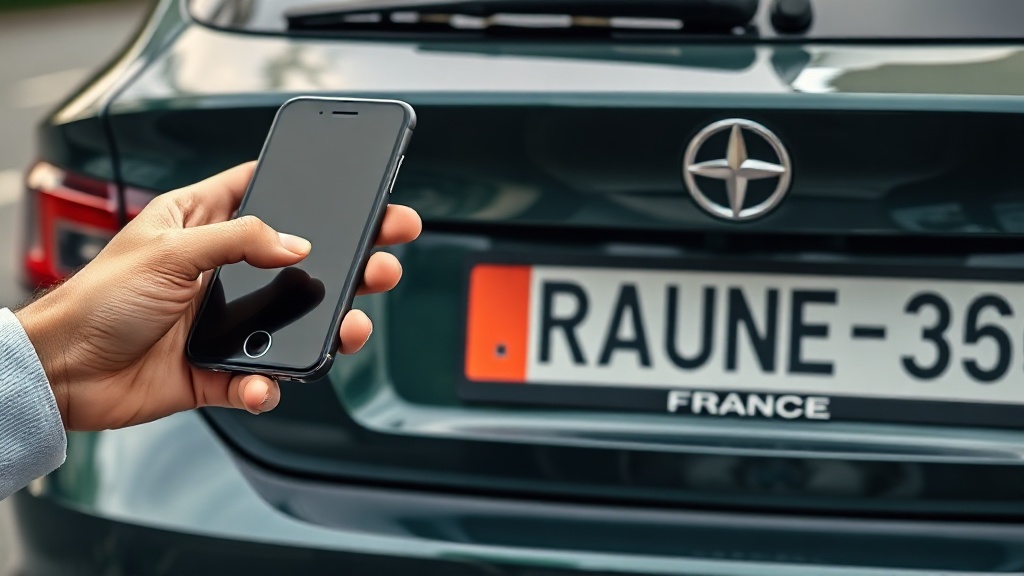
You spot the ad (mobile.de, AutoScout24, Belgian Leboncoin...), you travel there, pay, drive back with the vehicle, and handle all the paperwork yourself.
Pros: No middleman to pay, you see and test drive the car before paying, you control every step.
Cons: Time-consuming (searching, round trip, paperwork), the risk is entirely yours if the vehicle does not match the ad, potential language barrier, temporary plates and insurance to organize for repatriation.
This is the most economical method, but the one that requires the most rigor — particularly regarding checking the options and actual trim level of the imported vehicle before purchase.
Method 2: Using an import broker
The broker (or car broker) sources the vehicle for you, negotiates, organizes transport, and often delivers the car with the French registration card ready.
Pros: Zero travel, delegated paperwork, recourse in case of a problem, controlled lead times.
Cons: Commission (generally €300 to €1,000, sometimes included in the displayed price), you do not test drive the car before delivery, variable quality depending on the broker — demand the vehicle details in writing.
Method 3: The manufacturer's network ("official" import)
Some French dealerships offer stock vehicles coming from other countries in the brand's network, or repatriated by themselves.
Pros: Secure framework, European manufacturer warranty, known history within the network.
Cons: Choice limited to available stock, discount often lower than buying direct, sometimes long lead times.
What an import really costs
Beyond the purchase price, budget for:
- Transport: €500 to €1,500 on a flatbed truck depending on the distance (free if you repatriate it yourself, excluding fuel/tolls and transit plates).
- Certificate of Conformity (COC): €100 to €200 if not provided — mandatory to register a European vehicle in France.
- Technical inspection (Contrôle technique): Around €80-90. In principle, a French technical inspection less than 6 months old is required for vehicles over 4 years old; an inspection carried out in another EU country may be accepted in certain cases — check with ANTS before relying on it.
- Registration card (Carte grise): Regional tax varying according to fiscal power (horsepower) and your region; potential partial exemptions for clean vehicles.
- VAT: For a used vehicle purchased from an individual or a professional under the margin VAT scheme, it is already paid in the country of origin — nothing to add. For a new vehicle (less than 6 months old or less than 6,000 km), French VAT of 20% applies in France.
- Ecological penalty (Malus écologique): Applicable upon first registration in France if the vehicle is subject to it (calculated on the year of first commissioning, with an allowance per year of age).
- Broker commission if applicable.
Procedures in France, step by step
- Tax certificate (Quitus fiscal): Request it from your local tax office (free, takes a few days). It certifies that the VAT is in order — essential for the registration card.
- Technical inspection: If the vehicle is over 4 years old (a French technical inspection of less than 6 months is generally required; a European inspection is accepted in certain cases).
- Gather documents: COC, invoice or bill of sale translated if necessary, original foreign registration card, proof of identity and address, tax certificate.
- Registration card application: On the ANTS website (chsa.gouv.fr) or via an authorized professional. Allow one to three weeks.
- French license plates and insurance update.
Classic pitfalls to avoid
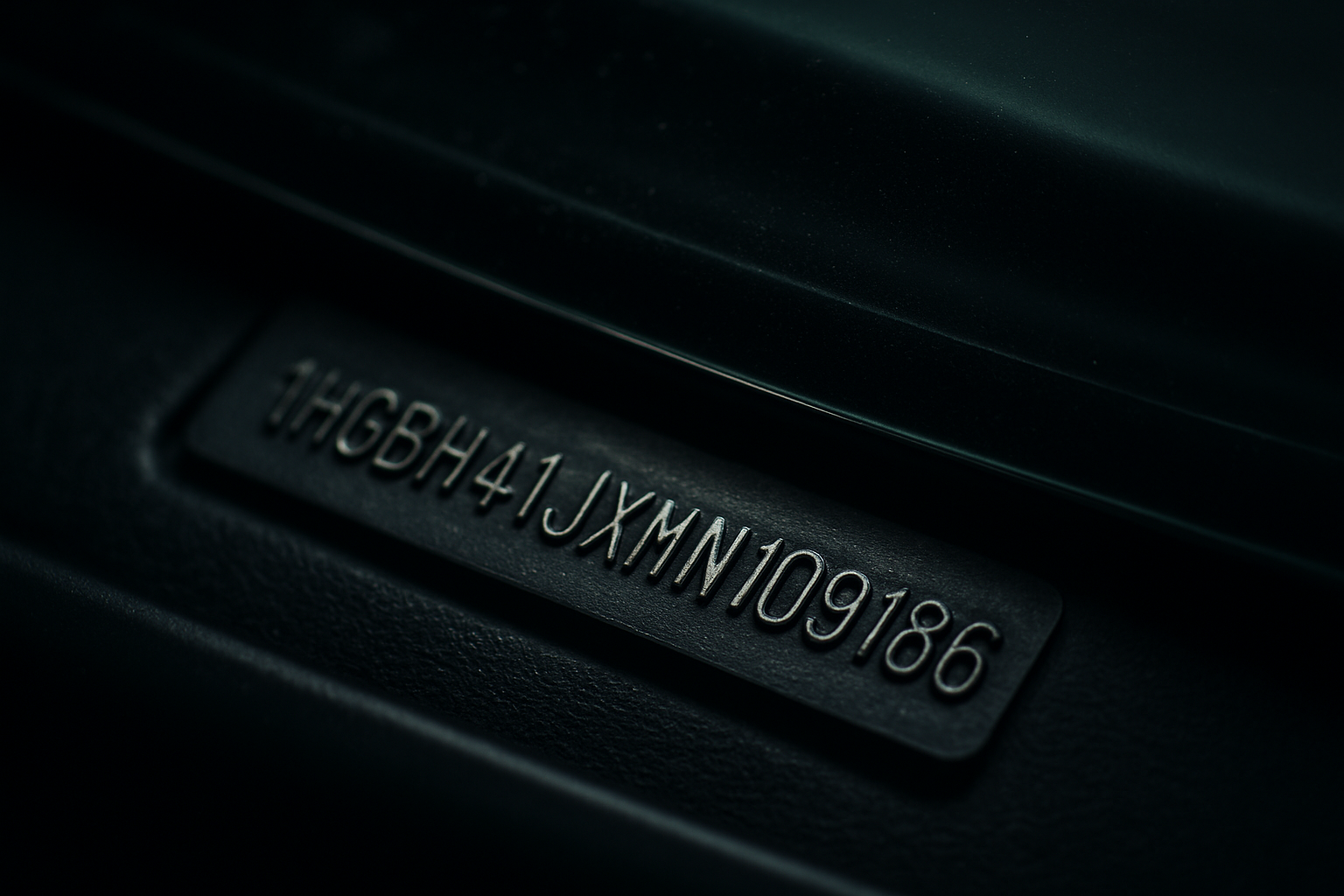
- The "full options" ad: The displayed trim and actual options do not always match — especially when the trim level has a foreign name unknown in France. Have the original configuration verified via the VIN before paying: our guide to checking the options of an imported car details the method.
- Mileage: Require maintenance history and invoices; an "adjusted" odometer is a classic import trap.
- Botched inspection: You are buying from afar, sometimes without a test drive. A complete pre-purchase vehicle inspection — by yourself on-site or by a professional — is the best investment you can make.
- Surprise VAT on near-new vehicles (see above).
- Missing COC: Request it from the seller or order it before purchase to avoid weeks of delays.
Comparison of the 3 methods
| Method | Extra cost | Effort | Average lead time | Risk level |
|---|---|---|---|---|
| DIY | Lowest | High (trip + paperwork) | 2 to 6 weeks | High if checks are neglected |
| Broker | €300–€1,000 | Low | 2 to 5 weeks | Low to medium (depending on the broker) |
| Manufacturer network | Variable | Very low | 3 to 8 weeks | Low |
Frequently asked questions
Can I import a used car from any European country?
Yes. Free movement applies within the EU: no customs duties, no extra VAT on used cars. The vehicle simply needs to obtain a tax certificate (quitus fiscal) and pass the French registration procedure with a COC.
How long does it take to get the French registration card?
Allow one to three weeks after a complete ANTS application, plus the processing time for the tax certificate (a few days). An incomplete file (missing COC, untranslated invoice) can double this timeframe.
Does the manufacturer warranty apply to an imported vehicle?
Yes: the manufacturer warranty is European. A vehicle bought new or recent in Germany keeps its warranty in France, within the brand's network.
How to verify that a German car really matches the ad?
Ask for the VIN or German registration and run an identification report: it retrieves the exact trim level registered at the factory and the list of original options, regardless of the seller's pitch. See also our method to decode the VIN and find the exact trim level.
Do I have to register the car in France if I just moved there with it?
Yes: any French resident must register their vehicle in France, generally within one month of moving (except for special cases like students or certain cross-border workers).
Summary
Importing yourself costs the least but requires checking everything; the broker buys you peace of mind; the manufacturer network provides security at the expense of choice. Whatever method you choose, the golden rule remains the same: verify the trim level and original options before paying. Enter the license plate or VIN of the desired vehicle on MecaLife and drive away knowing with certainty what you are buying.

Additional illustration