Key takeaways
Trendline, Comfortline, AMG Line, 'fully loaded'… On an imported car, the advertised trim level and options must be verified using the VIN. A step-by-step method.
Imported Car: How to Verify Options and Actual Trim Level Before Buying
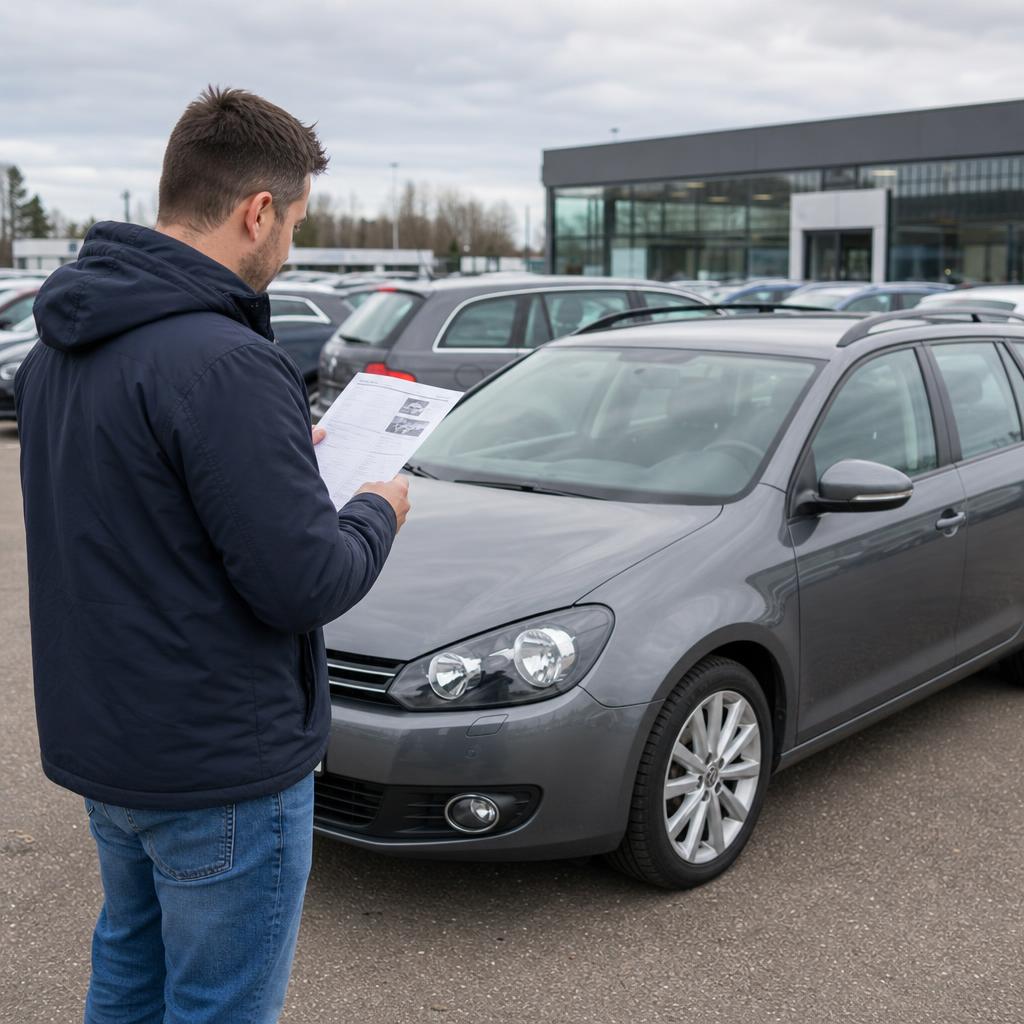
A "full options" Volkswagen Golf at a bargain price, a Mercedes C-Class "AMG Line" imported from Germany, a Fiat 500 "Lounge" from Italy... Imported car listings are often very tempting. But behind these labels lies a classic trap: trim names change from one country to another, and the "full options" claim in an ad doesn't always match the reality of the manufacturer's spec sheet. Before signing anything, here is how to concretely verify the actual trim level and options of an imported vehicle.
Why Trim Levels Don't Have the Same Name Across Countries
Manufacturers adapt their lineups to each market. The exact same model, assembled in the same factory, can carry a different trim name depending on the country where it was sold new:
- Volkswagen: The historical German hierarchy Trendline → Comfortline → Highline has no direct equivalent in France, where the brand long used names like Confortline (different spelling), Carat, or Life. A German "Trendline" Golf is often more stripped-down than a French entry-level trim.
- Mercedes-Benz: Germany thinks in terms of "lines" (Standard, Avantgarde, Exclusive, AMG Line) and optional "packages" (Premium Package, Premium Plus Package). In France, you also find specific series like Business or Fascination. An imported "AMG Line" listing may turn out to be a Standard model with a few added packages.
- BMW: Lounge, Luxury, Sport, M Sport in Germany; in France, trims like Business Design or M Sport existed with different contents.
- Fiat / Alfa Romeo: The Italian and Spanish markets feature countless special series (Pop, Lounge, Business, Super, Veloce) whose contents have nothing to do with French trim levels.
- Audi: Attraction, Ambition, Ambiente in Germany, with contents that do not exactly match French trims of the same name.
Consequence: a French ad that reuses a German or Italian trim name tells you nothing reliable about the car's actual equipment. Only the manufacturer's original specification sheet is authoritative.
The "Full Options" Trap on an Imported Vehicle
"Full options" does not exist in manufacturer terminology: it is a marketing buzzword used in ads. In the German and Dutch markets, private buyers and companies build their cars à la carte with long lists of options, often bundled into packages. As a result:
- Two cars with the same trim level, sold on the same day in the same country, can have several thousand euros' worth of equipment differences.
- The advertised "full options" sometimes only covers 3 or 4 desirable options (GPS, sunroof, heated seats) out of an original list of 30.
- Some appealing options are sometimes advertised even though they were never factory-installed—whether through an honest mistake by the seller or inflated claims, it's impossible to tell without checking.
Another subtlety: packages. A "Business Pack" or "Premium Pack" groups specific pieces of equipment together. Without the original spec sheet, you cannot know whether the car has the complete package or only a few of its components.
Factory Option vs. Aftermarket Equipment: The Costly Difference
On an imported vehicle, you must distinguish between two categories of equipment:
- Factory-fitted options, recorded on the vehicle's assembly sheet. They are reliable, approved, and fully integrated (wiring, electronic coding, original warranty).
- Aftermarket equipment added after leaving the factory: Android car radio, locally reupholstered "leather" seats, tow bar, roof racks, tinted windows, non-approved rims. They may be of good quality, but they do not appear in the manufacturer's history, are not always compliant with local standards, and do not add the same resale value.
An ad that mixes the two blurs the vehicle's actual value. Only the list of factory options, retrieved via the VIN, allows you to sort things out.
How to Verify, Step by Step
The method is the same whether importing from Germany, Belgium, Italy, or the Netherlands:
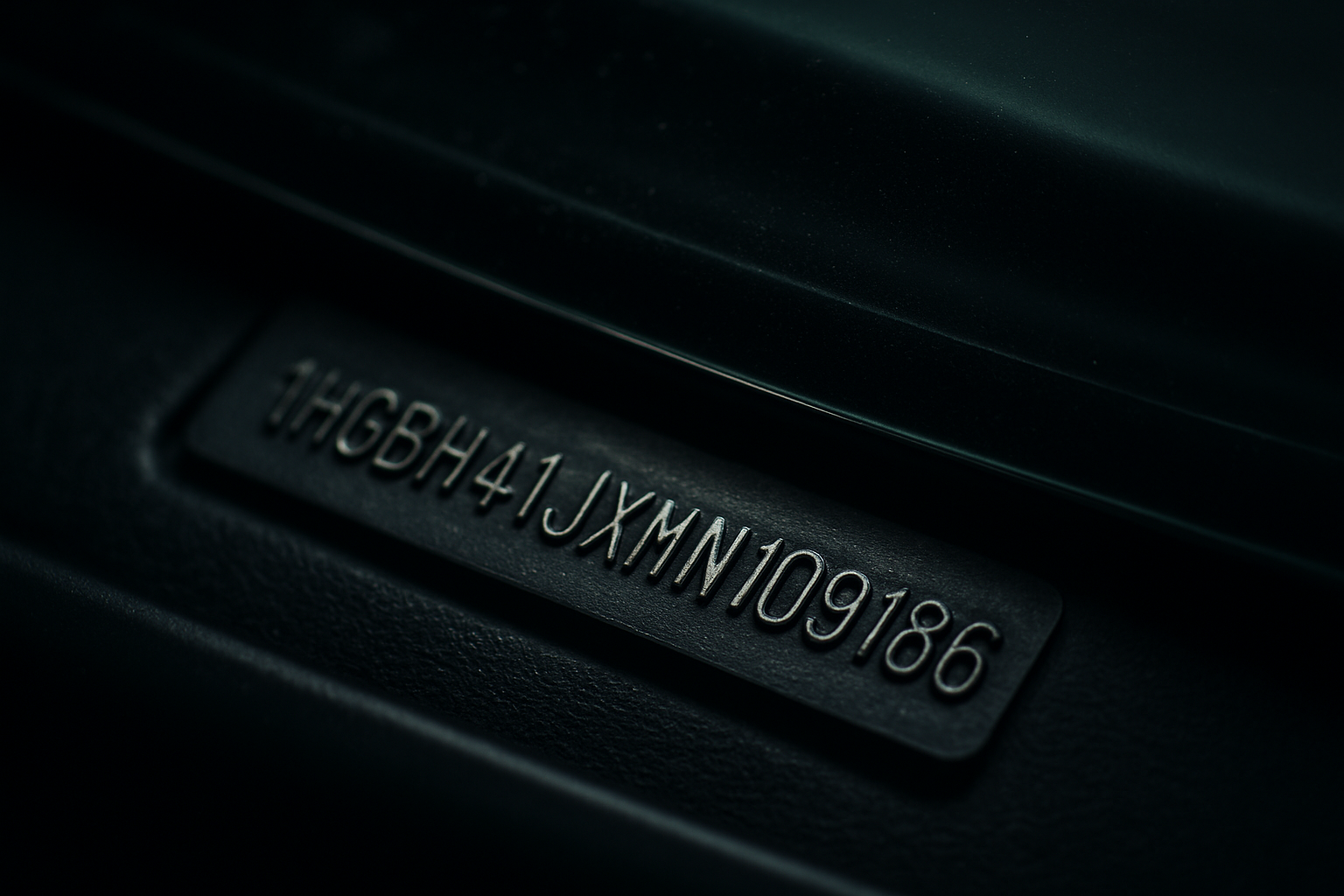
- Get the VIN or original registration number. The VIN (17 characters) can be found on the foreign registration document (section E), on the door pillar, at the bottom of the windshield, or in the engine bay. Be suspicious if the seller refuses to provide it.
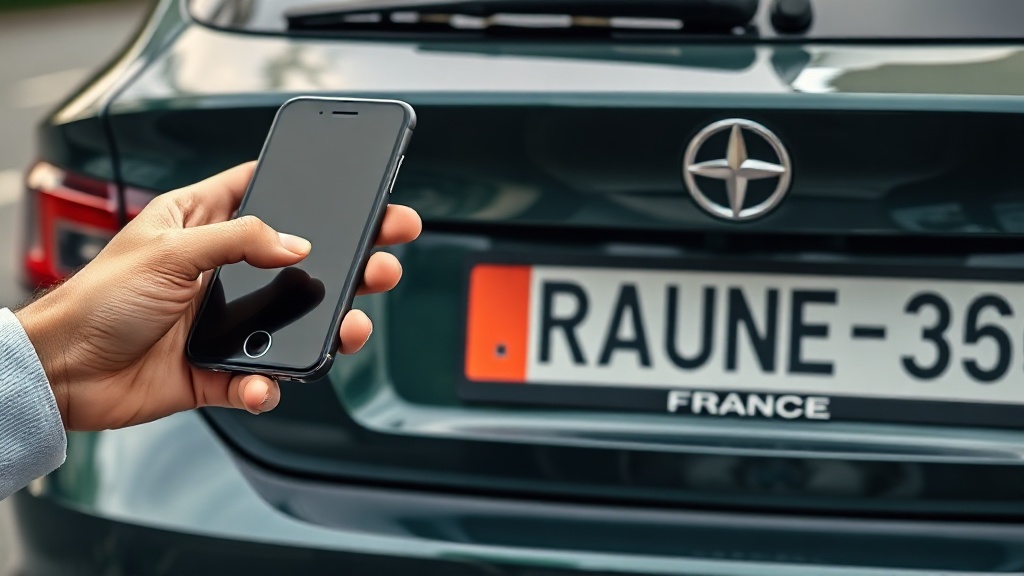
- Run an identification report. Enter the VIN or license plate on MecaLife: the report retrieves the exact trim level registered by the manufacturer and the complete list of original equipment and options, often along with their price when new. It works just like a French car—our guide on how to decode the VIN and find the exact trim level details how it works.
- Cross-reference the report with the ad, point by point. Every advertised option must appear in the original spec sheet. Anything missing is aftermarket equipment... or an imaginary option.
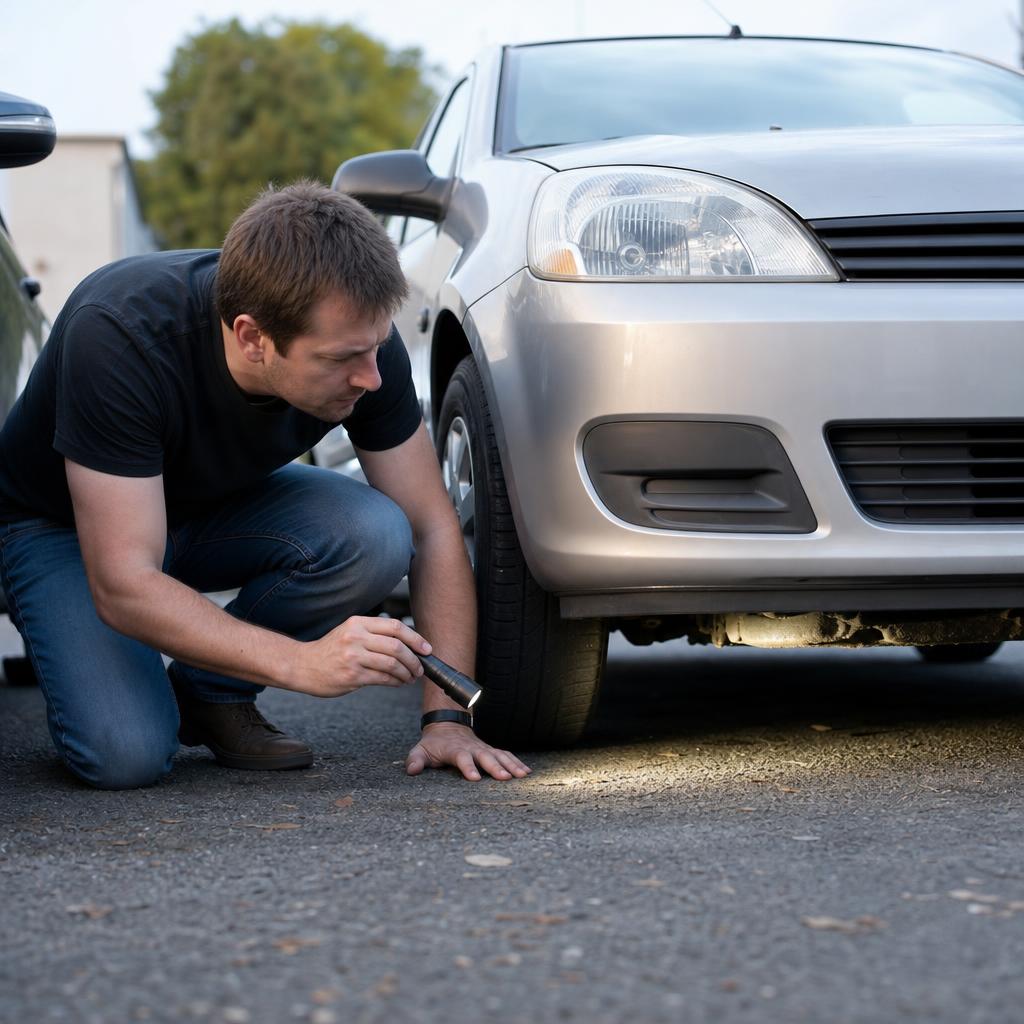
- Physically check the car in person. The spec sheet tells you what left the factory, not the current condition: verify that the equipment is present and working (this is the subject of our article on inspecting a used car before buying).
- Use discrepancies as a negotiating lever. A lower trim level than advertised or missing options justify a price renegotiation—or walking away.
What the Ad Says vs. What the Report Verifies
| What the ad says | What the MecaLife report verifies |
|---|---|
| "Highline trim" (Germany) | Exact trim name as registered by the manufacturer, market of first registration |
| "Full options" | Comprehensive list of factory options, with original new prices where applicable |
| "Premium pack, leather seats, panoramic roof" | Actual presence of each piece of equipment on the assembly sheet |
| "Original GPS" | Factory-fitted multimedia system (vs. aftermarket head unit) |
| "Automatic transmission, 150 hp" | Exact engine, power output, and transmission |
| "Single owner" | Administrative history available based on the country of origin's data |
What If the Car Hasn't Been Imported Yet?
If you are buying directly from abroad or through a broker, verification is even more crucial: you may not always be able to see the car before paying. Demand the VIN before making any deposit, run the report, and compare it to the photos and the ad. Our comprehensive guide on methods and procedures for importing a car from Europe covers the administrative steps (Certificate of Conformity, tax clearance, registration). And to understand why standard equipment varies so much from one country to another, check out our article on differences in standard equipment between European countries.
Once the car is registered locally, section D.2 of the new registration document will show a type approval code—useful, but still less readable than the manufacturer's spec sheet, as explained in our article on the D.2 section of the registration document.
Frequently Asked Questions
How can I find the actual trim level of a car imported from Germany?
The only reliable source is the manufacturer's identification sheet, accessible via the VIN. Enter the VIN (or the German license plate if the service supports it) into an identification report: you will get the exact trim name (Trendline, Comfortline, Highline...) and the list of factory options, regardless of what the ad claims.
What does "full options" mean on an imported used car?
Nothing specific: no manufacturer uses this expression. It simply means "well equipped" in the seller's eyes. Compare the options list from the identification report with the ad to find out what the car actually has.
Are the options on a German car identical to those on a French model?
Not necessarily. Standard equipment varies from one country to another (German models often have less base equipment, offset by à la carte options), and two cars with the same trim level can differ significantly. This is why it is essential to check vehicle by vehicle, VIN by VIN.
Can you verify options using only a foreign license plate?
It depends on the country and accessible databases. The VIN remains the universal key: it works for the vast majority of European vehicles, regardless of the country of registration. Always ask the seller for it.
Does aftermarket equipment add value?
Less than a factory option. It may be of good quality, but it is not listed on the manufacturer's sheet, is not always locally approved, and holds little weight for resale value. Do not pay factory-option prices for it.
Does the report work for a car imported from outside Europe?
Manufacturer databases cover most vehicles sold in Europe, including those imported from Germany, Belgium, Italy, Spain, or the Netherlands. For non-EU imports (USA, Japan), coverage depends on the brands: test with the VIN, identification costs nothing.
Summary
On an imported car, the advertised trim name and marketing "full options" claims are worthless without proof. The reliable method boils down to three steps: get the VIN, obtain the original spec sheet via a MecaLife identification report, and cross-reference every advertised option with the manufacturer's reality. Five minutes of verification before buying are worth more than thousands of euros of disappointment after signing.

Additional illustration