Key takeaways
On the Automobile Propre forum, a Peugeot e-208 owner tested their MecaVIN report line by line. What the community verified—and what it says about our data.

On the Automobile Propre forum, the electric vehicle driver community has a healthy reflex: they don't take anything at face value, they verify. In a thread titled "Mecavin reliability and options", opened in the Peugeot e-208 section, an owner did exactly that with their MecaVIN report: comparing line by line what the report stated with what their car was actually doing. This article looks back at this discussion—unfiltered—and explains what it teaches us about the reliability of identification data.
What the e-208 owner tested
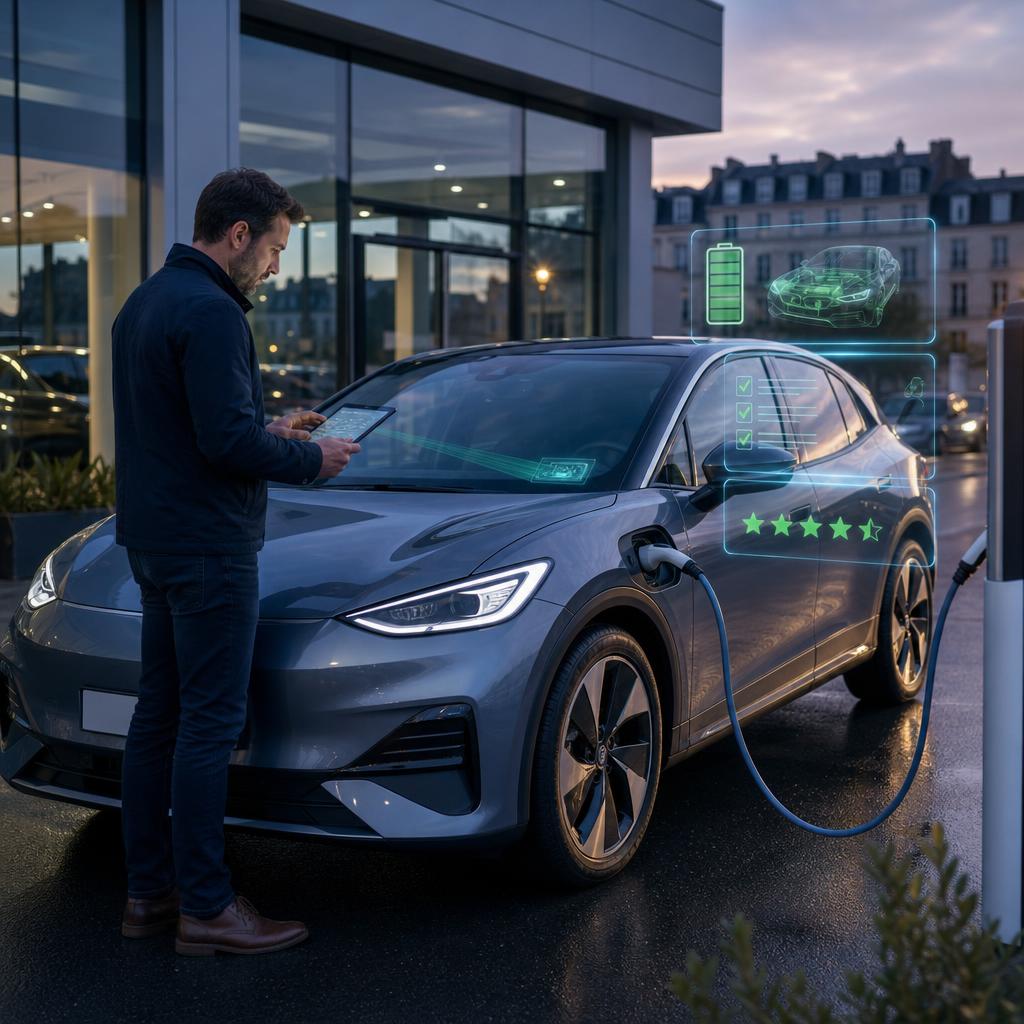
The starting point is a direct question asked to the community: "Have you ever tested and validated? Or are there any glitches?" The author of the thread had just generated a MecaVIN report for their Peugeot e-208 and had noted two equipment lines to check.
First case: front parking assistance. The report indicated "VISIO PARK 1 + front graphic and audible parking assistance: distance sensors, front location". However, they noted, the sensors were indeed physically present at the front and rear of the bumper, they detected obstacles at the front during reverse maneuvers... but nothing happened when moving forward. Could the report be wrong?
Second case: 11 kW three-phase onboard charger. The report mentioned an "11 kW three-phase onboard charger". Their question was legitimate: what is the use of an 11 kW charger when the car accepts 100 kW in fast charging? And is the cable different?
What the community replied
The replies from other forum members solved both riddles—and they are instructive for anyone reading an identification report.
Regarding charging, the explanations are crystal clear: the 11 kW corresponds to three-phase alternating current (AC) charging, used by conventional public charging stations or a wallbox. The connector then includes two additional phase pins. As for the 100 kW, it concerns direct current (DC) fast charging: electricity reaches the battery directly without going through the onboard charger. Both power levels therefore coexist in the car, and the "11 kW onboard charger" line of the report correctly describes a distinct and real piece of equipment.
Regarding the front parking assistance, the discussion became fascinating. One member noted that their own front sensors beeped—but only under 10 km/h, as indicated in the vehicle manual. Another went to consult the official pricing documentation: the Allure trim of the e-208 was only referenced with "rear graphic and audible parking assistance". Yet, the front sensors were indeed present and functional in reverse gear on the car in question. The consensus hypothesis: the hardware is installed at the factory, but its full activation is reserved for certain trims or options—a software-based segmentation of the equipment, decided by the manufacturer.
What this thread says about the reliability of the report
This is the essential point: at the end of the discussion, no data error was found. The MecaVIN report indicated that the vehicle had rolled off the production line with the front sensors and the 11 kW charger—and physically, that was accurate. What the thread reveals is a subtlety that every electric car buyer should know:
- An identification report describes the factory configuration, meaning what the manufacturer installed and registered on the assembly line.
- The manufacturer can subsequently restrict equipment via software depending on the trim level. The sensor exists, but its full function may depend on a paid option.
- General public pricing documentation does not always reflect the hardware actually on board—only factory data is authoritative on this point.
In other words, when a report displays equipment that the brochure does not mention, it is not necessarily an error: sometimes it is the other way around. The report sees what the manufacturer actually installed.
How MecaVIN builds its data
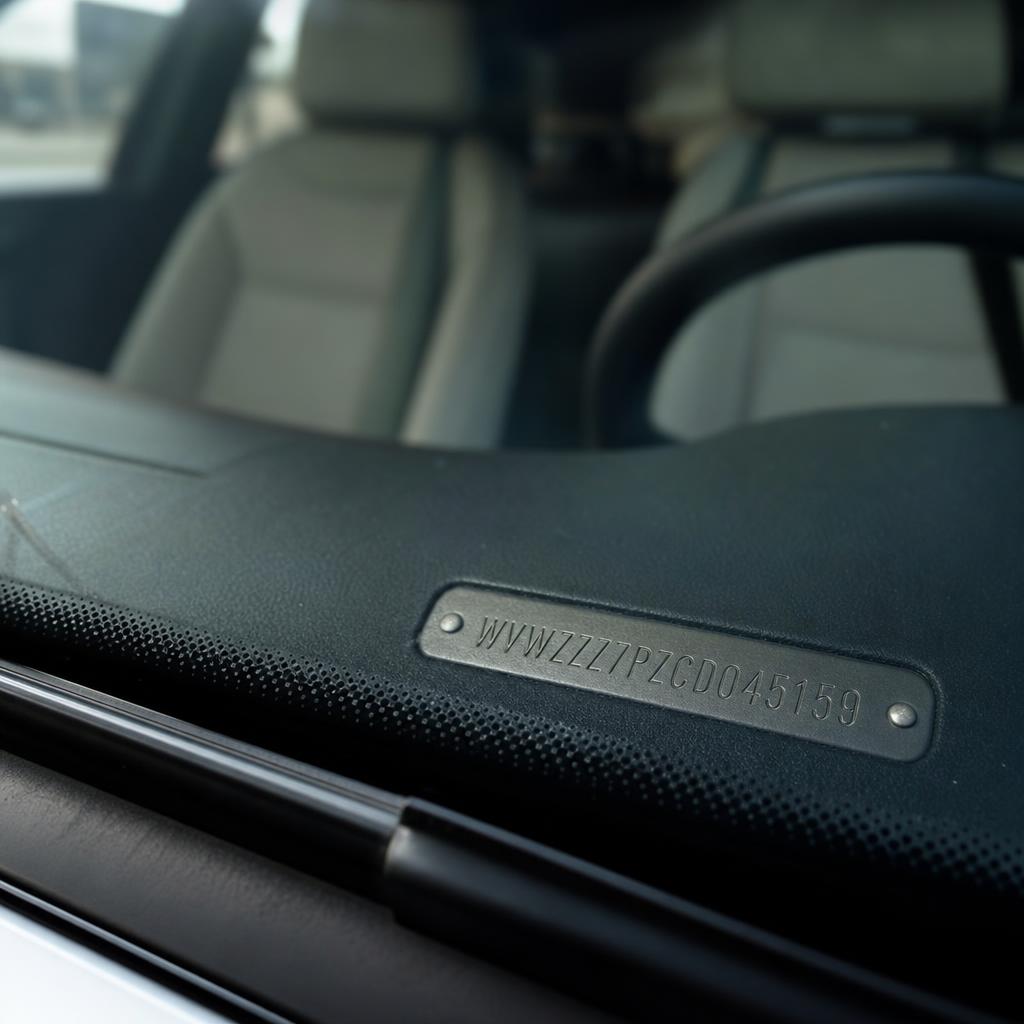
To understand why this level of detail is possible, we must go back to the source. Every vehicle leaving the factory has a VIN (Vehicle Identification Number), a unique 17-character identifier that the manufacturer associates with the exact configuration of the car: powertrain, trim level, options, color, standard equipment. We explain in detail how to read this identifier in our article on decoding the VIN and finding the exact trim of a car.
MecaVIN queries databases from manufacturers to restore this original configuration from the VIN or the registration plate. These are neither statistical estimates nor declarative seller data: this is information recorded during production. This explains the accuracy observed on the Automobile Propre thread—right down to the type of onboard charger and the location of the sensors.
Our commitment to transparency
We welcome this type of community verification: this is exactly the use an identification report is intended for. Two commitments follow from this:
- We document what the report measures. The report describes the factory configuration registered by the manufacturer. When a manufacturer software-limits equipment depending on the trim level, the hardware remains listed—this is fidelity to the source data, not an error.
- We correct when necessary. If you notice a real discrepancy between your report and your vehicle, report it to us with your VIN: every piece of feedback is checked and used to improve data quality.
You can read the entire discussion that inspired this article on the Automobile Propre forum thread "Fiabilité Mecavin et options"(in French).
Frequently asked questions
Is the MecaVIN report reliable?
Yes: it restores the configuration recorded by the manufacturer during the vehicle's production, based on the VIN. The Automobile Propre thread is a good illustration of this: after physical verification by the owner and cross-referencing with pricing documentation, the listed equipment (front sensors, 11 kW charger) was indeed actually present on the car.
Why does my report list equipment that my car does not use?
Some manufacturers install hardware across multiple trim levels but only activate its full function on higher levels or with a paid option. The report reflects the hardware fitted at the factory; software activation depends on the manufacturer and may evolve.
What is the difference between an 11 kW onboard charger and 100 kW fast charging?
The onboard charger (11 kW three-phase on an e-208) converts alternating current from wallboxes and public AC charging stations. Charging at 100 kW takes place using direct current at fast-charging stations, bypassing the onboard charger. These are two distinct charging paths, and the report specifies the former.
Does the report replace a physical vehicle inspection?
No, and it does not claim to. It certifies the original configuration of the vehicle—trim, options, factory equipment—which is invaluable for spotting a misleading ad. It replaces neither the test drive, nor the check of mechanical condition, nor the verification of maintenance history.
What should I do if I think I found an error in my report?
First, physically check the equipment in question, as the author of the Automobile Propre thread did. If the discrepancy is confirmed, contact us with your VIN and the details of the gap: we check the data with the manufacturer source and correct it if necessary.
In summary
The Automobile Propre electric community did what every user can do: test a MecaVIN report against the reality of their car. Verdict of the discussion: the data was accurate—and the exercise even brought to light a manufacturer practice (software segmentation of equipment) that commercial documentation does not show. If you want to check a vehicle's factory configuration yourself—electric or not—enter its registration or VIN on MecaLife and compare the report with reality for yourself.

Additional illustration